
Cam’s rare sarcoma – and the year of treatment that saved him
09 February 2026
Cam was 18 when a painful swelling near his eye put his hope of a plumbing apprenticeship on hold. What followed was a year of treatment that saved his life, but took an enormous toll. His story shows why research into kinder, more effective treatments must move faster.
A diagnosis that no family expects
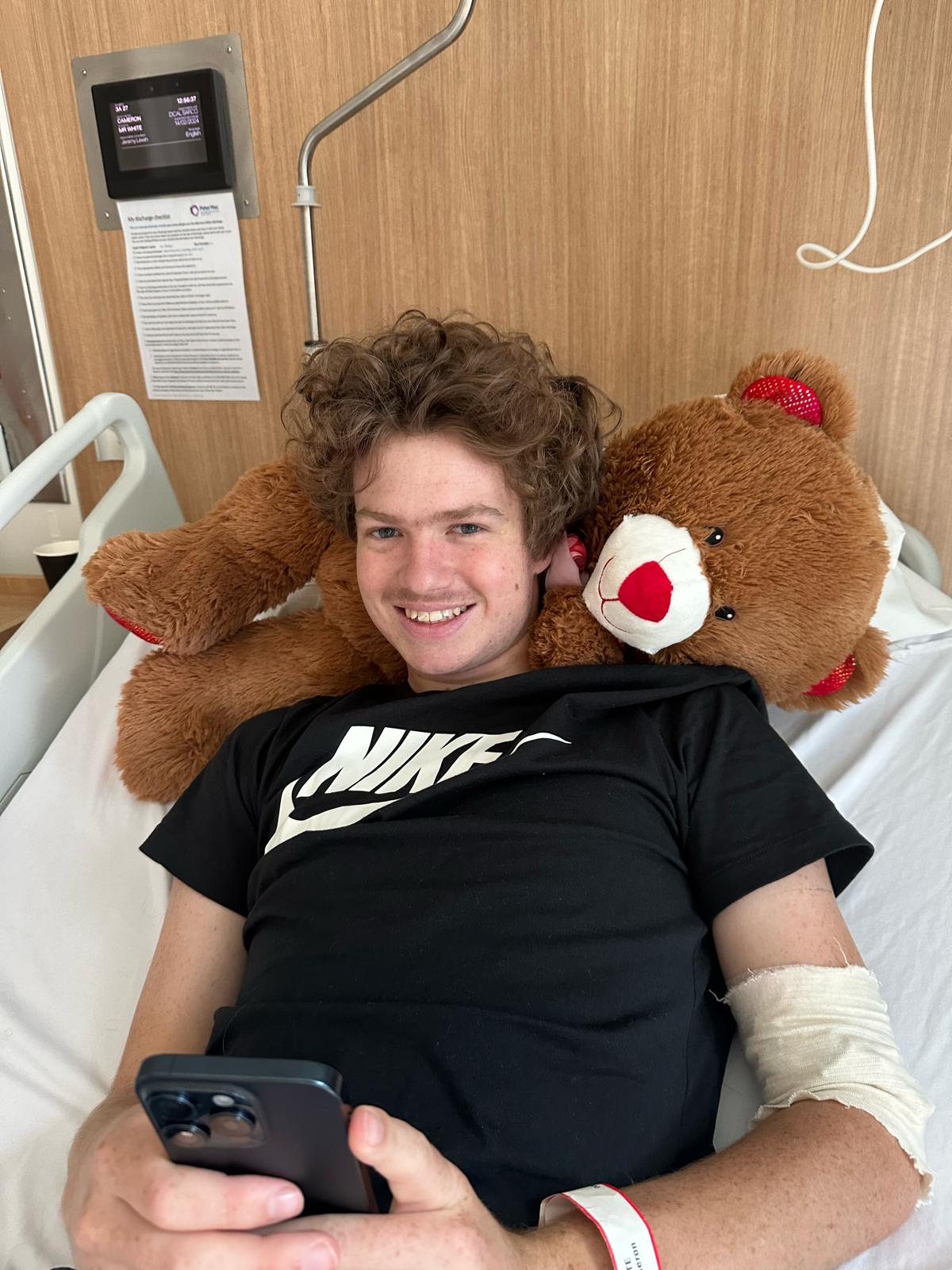
The pain began quietly – a headache on the right side of Cam’s face, then pressure behind his eye. His mum, Judy, took him from doctor to doctor. Sinus infection, they said. Later, cluster headaches.
But the pain grew sharper until he was agony. His eye began to protrude. Desperate and knowing something must be very wrong, his mum, Judy, pushed for an appointment with a specialist, who confirmed her worst fears.
Scans and a biopsy revealed rhabdomyosarcoma, a rare and aggressive sarcoma near Cam’s brain.
“Seeing mum burst into tears… that’s when it hit me. This is life or death. I might not see next year.” – Cam
A year of treatment no young person should endure
Within 48 hours, Cam was at Peter Mac, beginning the first of several cycles of chemotherapy. The impact was immediate and overwhelming.
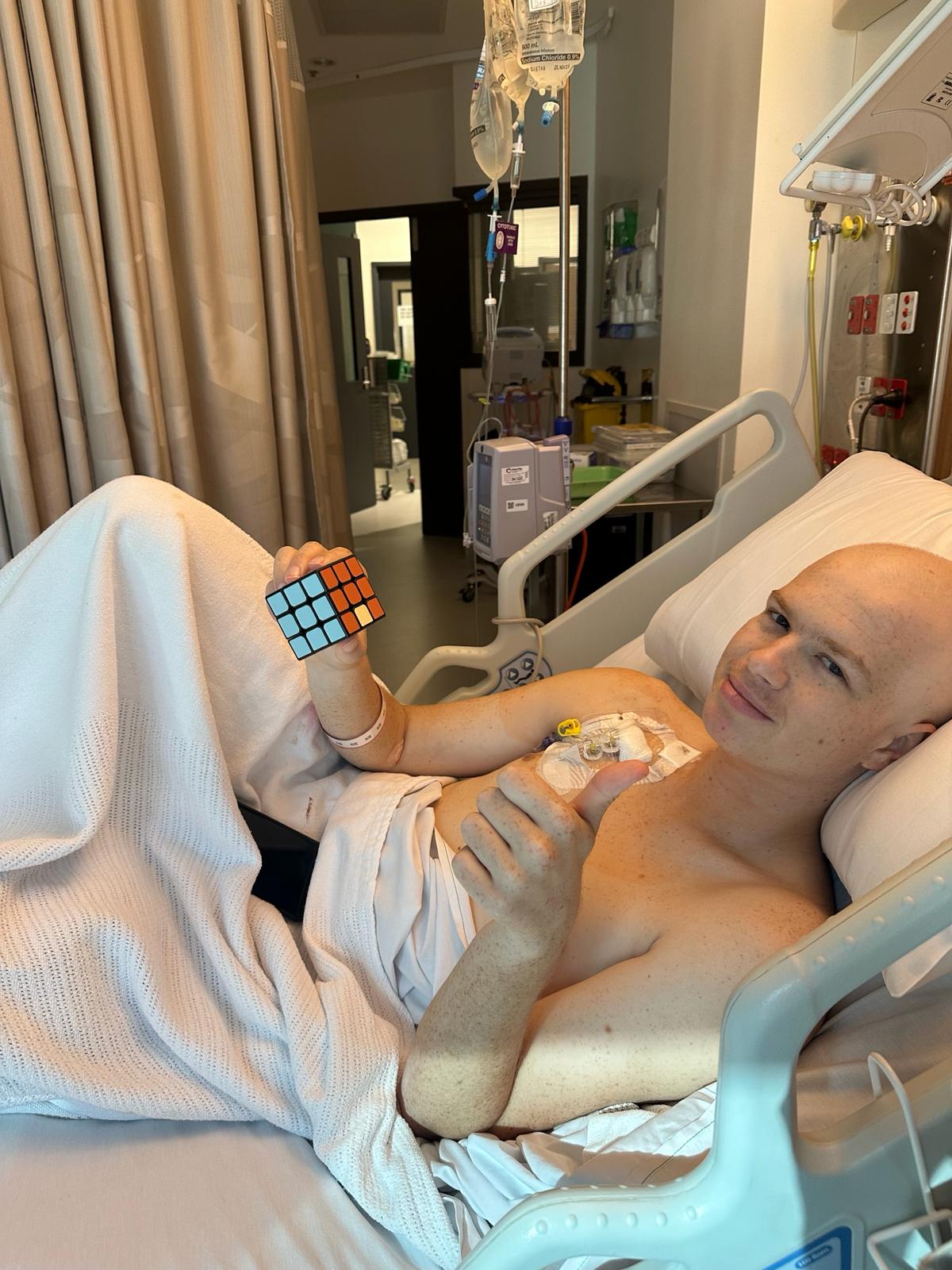
“It’s a horrible experience. I felt like throwing up the entire time. I had no eyebrows, no moustache, no eyelashes, nothing.”
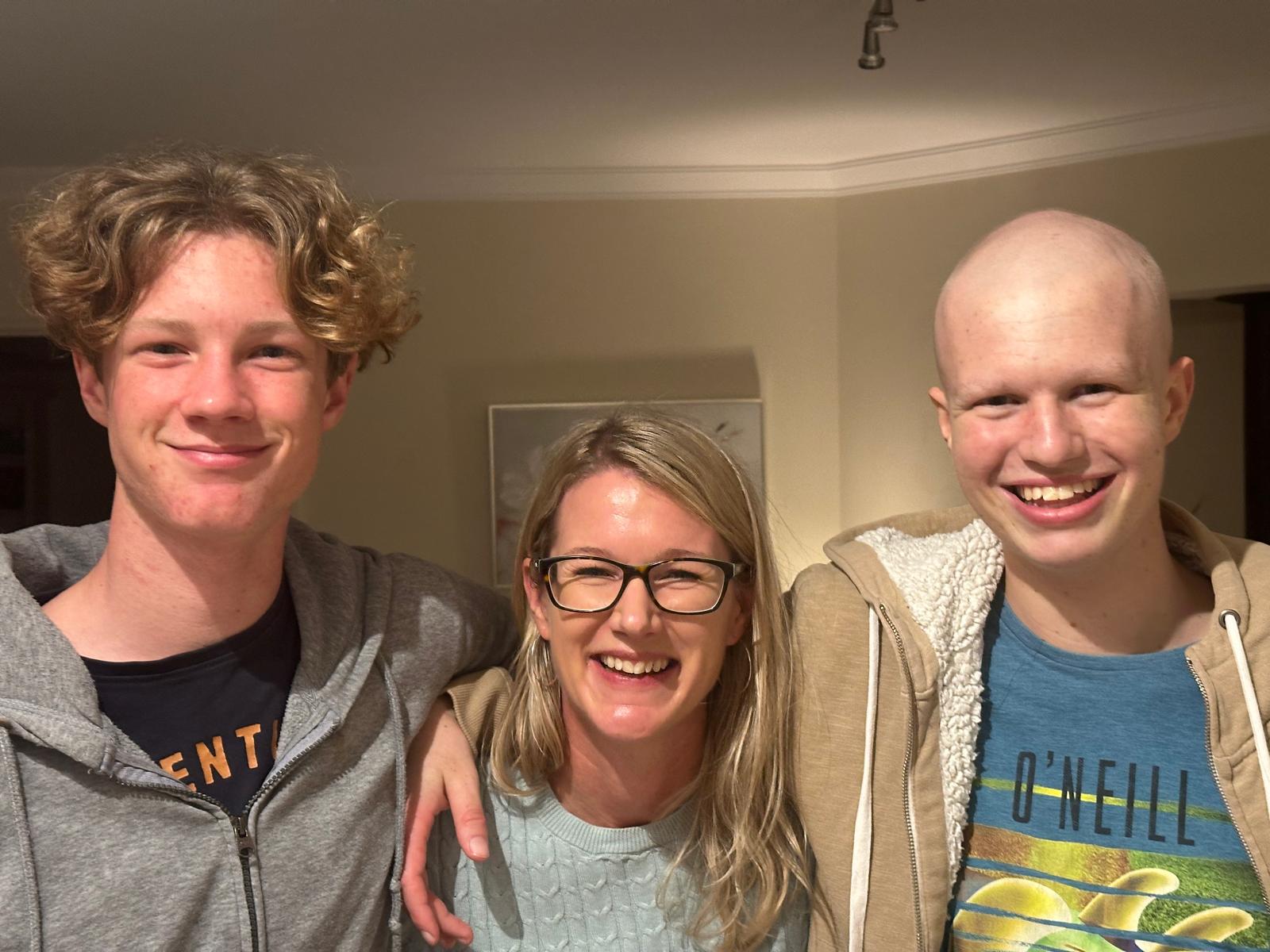
Cam underwent strong rounds of chemotherapy. He joked that he looked like “a potato in a beanie”.
But behind his humour was sheer exhaustion. His immune system collapsed. He was isolated and fragile. Five times, he was rushed back into hospital.
“My temperature went up and my immune system just couldn’t fight. I was in those hospital beds for weeks on end.”
For a teenager who spent every weekend outside or with friends, months confined to hospital corridors were crushing.
No one – and certainly no 18-year-old – should have to go through this to survive.
Why research must move faster – especially for rare cancers
Sarcomas are challenging to treat because they’re all different. There are more than 100 subtypes, each rare, each behaving differently. That means Australia may only see a handful of cases of each subtype per year. Too few for standalone trials. Too little evidence to guide safer, more precise treatment options.
This is why global collaboration is essential
With donations from our supporters, Peter Mac researchers can work closely with international partners to pool cases, compare data, and learn from every rare diagnosis. Collaboration is how researchers build the evidence needed to discover kinder, more effective treatments. But research like this can only happen with donations from people like you.
Looking forward – Cam’s hope for the next generation
Cam is now rebuilding his strength and looking ahead with determination. His biggest hope is that others will not have to endure what he did.
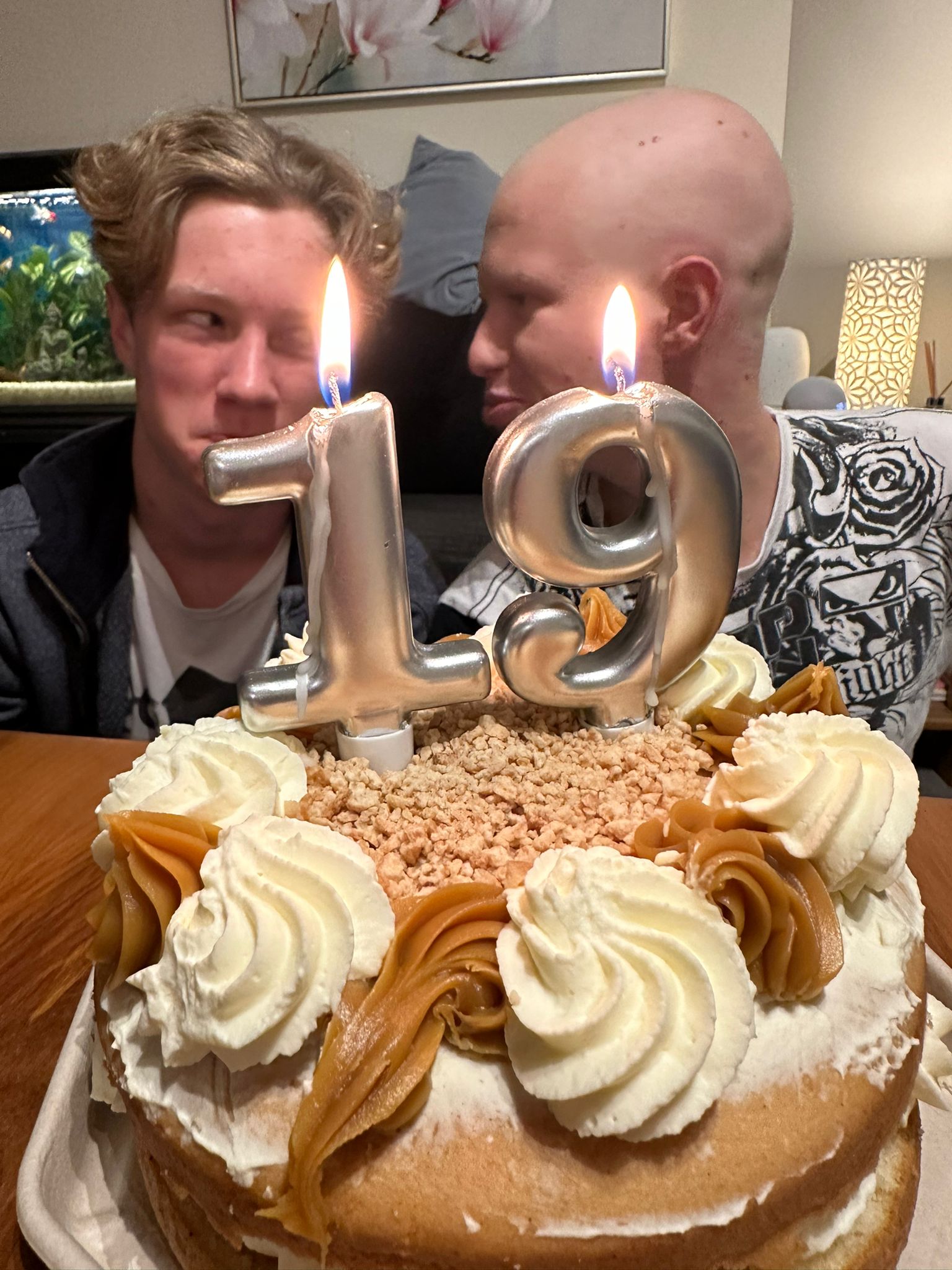
“Hopefully in the next 10 years people my age will go in and doctors will say ‘we have the perfect cure, and you’re not going to lose all your hair’.” – Cam
You can help bring that future closer. Donate today to accelerate vital cancer research — so people like Cam have more effective, kinder treatment options, sooner.
@Follow us on Instagram (@SupportPeterMac)